Fifteen gilded domes once burned like sunset over the Bengal plain — a Sultanate masterpiece woven from stone, brick, faith and a vanished imperial geography. পনেরোটি স্বর্ণমণ্ডিত গম্বুজ একদা বঙ্গের প্রান্তরে অস্তরাগের ন্যায় জ্বলিত — পাথর, ইট, ভক্তি ও বিলুপ্ত সাম্রাজ্যের ভূগোলে গড়া এক সুলতানি মাস্টারপিস।
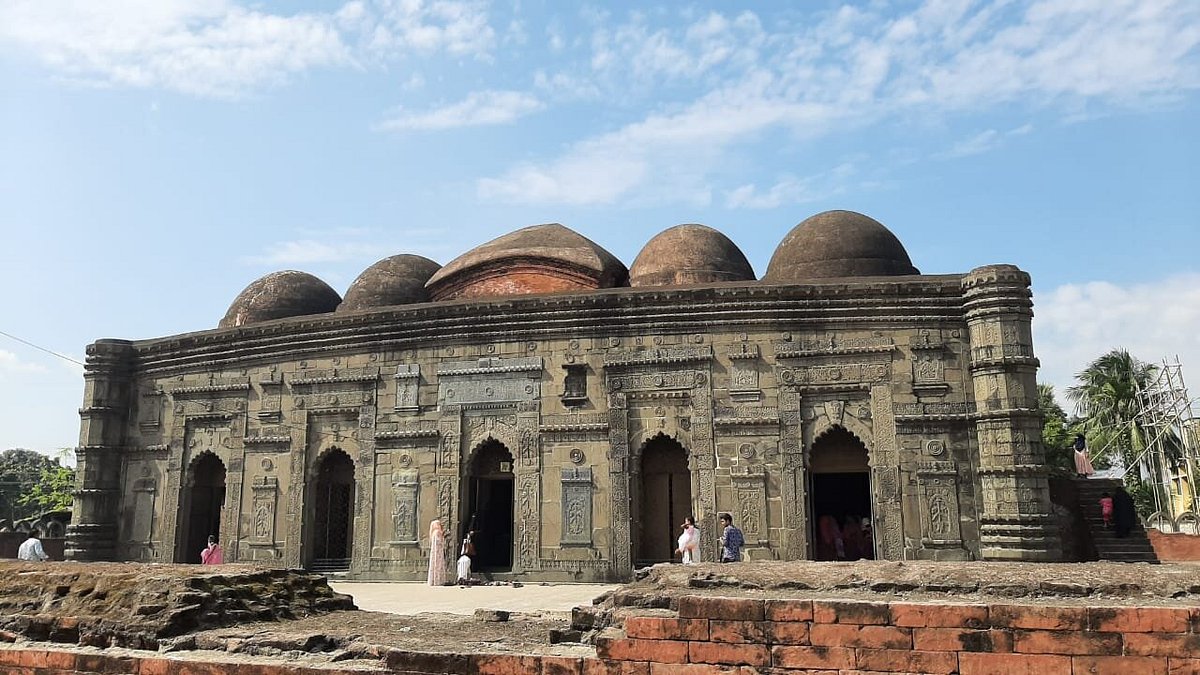
Standing at Firozpur in the once-imperial city of Gaur, the Choto Sona Mosque is the most refined surviving example of late Sultanate architecture in eastern South Asia. Built between 1493 and 1519 under the reign of Sultan Alauddin Husain Shah and patronised by a courtier named Majlis Mansur Wali Muhammad bin Ali, it married a Bengal vernacular of curvilinear cornices and terracotta intelligence to imported stone — a hybrid grammar found almost nowhere else. এক সময়ের রাজধানী গৌড়ের ফিরোজপুরে অবস্থিত ছোট সোনা মসজিদ পূর্ব দক্ষিণ এশিয়ায় টিকে থাকা শেষ-সুলতানি স্থাপত্যের সবচেয়ে পরিশীলিত নিদর্শন। সুলতান আলাউদ্দিন হুসেন শাহের রাজত্বকালে ১৪৯৩ থেকে ১৫১৯ সালের মধ্যে নির্মিত এবং দরবারি মজলিস মনসুর ওয়ালি মুহাম্মদ বিন আলী কর্তৃক পৃষ্ঠপোষকতাপ্রাপ্ত এই মসজিদে বঙ্গদেশের কার্নিসের ভঙ্গি ও পোড়ামাটির বুদ্ধিমত্তার সঙ্গে আমদানিকৃত পাথরের এক মিশ্র ব্যাকরণ ফুটে উঠেছে।
Commissioned during the cultural high tide of the Husain Shahi dynasty, when Gaur rivalled Cairo and Samarkand in scholarship and trade. হুসেন শাহী রাজবংশের সাংস্কৃতিক জোয়ারে নির্মিত — যখন গৌড় কায়রো ও সমরকন্দের সমকক্ষ পণ্ডিত্য ও বাণিজ্যকেন্দ্র।
A 3×5 grid of domes shelters the prayer hall — the central row originally chau-chala vaults, the rest hemispherical, all once gilded. ৩×৫ ছকে সাজানো গম্বুজগুলি নামাজঘরকে আচ্ছাদিত করে — মধ্যসারি একদা চৌচালা, বাকিগুলি অর্ধগোলক, সবগুলি ছিল স্বর্ণমণ্ডিত।
A brick core dressed in basalt — black Rajmahal stone carved into mihrabs, columns and a dado of disciplined ornament. ইটের কাঠামো বেসাল্ট পাথরে আচ্ছাদিত — কালো রাজমহল পাথর কাটা মিহরাব, স্তম্ভ ও ক্ষুদ্র অলংকরণে।
Damaged by the great Indian earthquake of 1897, restored from 1900–1907, and now protected as a national monument of Bangladesh. ১৮৯৭-এর মহাভূমিকম্পে ক্ষতিগ্রস্ত, ১৯০০–১৯০৭ সালে পুনঃনির্মিত এবং বর্তমানে বাংলাদেশের রক্ষিত স্মারক।
A Persian-Arabic inscription set into the central archway records the patron — Majlis Mansur Wali Muhammad bin Ali — and the reigning sovereign, Sultan Alauddin Husain Shah. The text invokes Quran 9:18, the verse that declares mosque-builders among the truly faithful, and quotes a Hadith promising paradise to those who construct mosques. কেন্দ্রীয় খিলানে স্থাপিত একটি ফারসি-আরবি শিলালিপিতে পৃষ্ঠপোষক — মজলিস মনসুর ওয়ালি মুহাম্মদ বিন আলী — এবং শাসক সুলতান আলাউদ্দিন হুসেন শাহের নাম লিপিবদ্ধ। লেখাটি কুরআনের সূরা তাওবা ৯:১৮ আয়াত উদ্ধৃত করে, যেখানে মসজিদ-নির্মাতাদের প্রকৃত মুমিন বলা হয়েছে এবং একটি হাদিস উল্লেখ করে, যা মসজিদ-নির্মাতাকে জান্নাতের প্রতিশ্রুতি দেয়।
Inscriptions in Detail শিলালিপির বিশদ →"The mosques of God shall be visited and maintained only by those who believe in God and the Last Day." — Surah At-Tawbah 9:18 "আল্লাহর মসজিদসমূহের রক্ষণাবেক্ষণ কেবল তারাই করে, যারা আল্লাহ ও আখিরাতে বিশ্বাস স্থাপন করে।" — সূরা আত-তাওবা ৯:১৮
The mosque's roof is its diagram of cosmology. The middle three bays are vaulted in the chau-chala manner — a curve borrowed from the thatched bamboo huts of rural Bengal — while the twelve flanking domes step outward in disciplined symmetry. মসজিদের ছাদ তার নিজস্ব মহাজাগতিক চিত্র। মধ্যবর্তী তিনটি বে চৌচালা ভঙ্গিতে গঠিত — যা গ্রামীণ বঙ্গের ছাউনিযুক্ত বাঁশের কুটির থেকে গৃহীত এক বক্ররেখা — পার্শ্ববর্তী বারোটি গম্বুজ সুসজ্জিত প্রতিসাম্যে বিস্তৃত।
Diagrammatic representation — the front row of five domes (originally gilded). পরিকল্পনাচিত্র — সম্মুখসারির পাঁচটি গম্বুজ (একদা স্বর্ণমণ্ডিত)।
This site is structured like a printed monograph. Each page is a chapter — a focused study of one dimension of the mosque's life: history, structure, ornament, faith, ruin, and rebirth. এই সাইট মুদ্রিত গবেষণাগ্রন্থের আদলে নির্মিত। প্রতিটি পৃষ্ঠা একটি অধ্যায় — মসজিদের জীবনের একটি স্তরের অধ্যয়ন: ইতিহাস, কাঠামো, অলংকরণ, বিশ্বাস, ধ্বংস ও পুনর্জন্ম।
Identity, location, names, dimensions and the cultural geography of Gaur-Lakhnauti.পরিচয়, অবস্থান, নাম, পরিমাপ এবং গৌড়-লখনৌতির সাংস্কৃতিক ভূগোল।
03The Husain Shahi reign, the rise of Bengal as a sultanate, and the mosque's date of foundation.হুসেন শাহী রাজত্ব, সুলতানি বঙ্গের উত্থান এবং মসজিদের প্রতিষ্ঠাকাল।
04Plan, structure, vaults, mihrabs, columns — the engineering of fifteen domes.পরিকল্পনা, কাঠামো, গম্বুজ, মিহরাব, স্তম্ভ — পনেরোটি গম্বুজের প্রকৌশল।
05Stone carving, mosaic roundels, terracotta and the lost mihrab.পাথর-খোদাই, মোজাইক রাউন্ডেল, পোড়ামাটি ও হারানো মিহরাব।
06A jami mosque, a community centre, a symbol of Islam in eastern Bengal.জামি মসজিদ, সম্প্রদায়-কেন্দ্র, পূর্ব বঙ্গে ইসলামের প্রতীক।
07The 1897 earthquake, the British-era restoration and the mosque's protected status today.১৮৯৭-এর ভূমিকম্প, ব্রিটিশ আমলের পুনঃনির্মাণ ও বর্তমান সংরক্ষিত মর্যাদা।
"The Choto Sona Mosque is the most refined and best-preserved monument of the Husain Shahi school — a study in the Bengali genius for marrying brick to stone, vault to dome, plain to pattern." "ছোট সোনা মসজিদ হুসেন শাহী ঘরানার সবচেয়ে পরিশীলিত ও সুসংরক্ষিত স্মারক — যেখানে ইট ও পাথর, খিলান ও গম্বুজ, সরল ও অলংকৃত মিলিত হয় এক বাঙালি প্রতিভায়।"
— Architectural historians on Bengal Sultanate monuments — বঙ্গ-সুলতানি স্মারকবিদ ঐতিহাসিকগণ