Beyond stone, beyond ornament — what did the Choto Sona Mosque mean to those who built it, prayed in it, and now live around its quiet ruin? পাথর-অলংকরণ ছাড়িয়ে — যাঁরা একে গড়েছেন, যাঁরা এতে নামাজ পড়েছেন, যাঁরা আজ এর নীরব ধ্বংসাবশেষের চারপাশে বাস করেন — তাঁদের কাছে ছোট সোনা মসজিদের অর্থ কী?
The Choto Sona Mosque was constructed not as a private oratory but as a jami masjid — a Friday congregational mosque, the principal weekly gathering point for the surrounding settlement of Firozpur. The size and the eleven-entrance plan are calibrated for a population in the low thousands; that population existed because Gaur was, at the time, a metropolis of regional and even continental significance. ছোট সোনা মসজিদ ব্যক্তিগত প্রার্থনাগৃহ নয়, একটি জামি মসজিদ হিসেবে নির্মিত — একটি শুক্রবারের সমবেত মসজিদ, ফিরোজপুর জনপদের সাপ্তাহিক সমাবেশের প্রধান কেন্দ্র। আকার ও এগারোটি প্রবেশদ্বারের পরিকল্পনা — কয়েক হাজার মানুষের জনসংখ্যার জন্য নির্ধারিত; সেই জনসংখ্যা ছিল কারণ সেই সময়ে গৌড় ছিল আঞ্চলিক ও মহাদেশীয় গুরুত্বের এক মহানগরী।
A jami mosque, in classical Islamic urbanism, is not merely a building. It is the constitutional centre of a town. The khutbah delivered each Friday from its central mihrab confers political legitimacy on the reigning sultan. The minbar (now lost at Choto Sona) is the seat from which sermons are spoken. The act of communal prayer — five rows deep, fifty wide — is itself a public ritual of mutual recognition. শাস্ত্রীয় ইসলামি নগরবিন্যাসে জামি মসজিদ কেবল একটি ভবন নয় — তা নগরের সাংবিধানিক কেন্দ্র। প্রতি শুক্রবার এর কেন্দ্রীয় মিহরাব থেকে উচ্চারিত খুতবা শাসনাধীন সুলতানের রাজনৈতিক বৈধতা প্রদান করে। মিম্বার (যা ছোট সোনায় হারানো) হলো সেই আসন, যেখান থেকে খুতবা পঠিত হয়। সমবেত নামাজের ক্রিয়া — পাঁচ পংক্তি গভীর, পঞ্চাশ পংক্তি প্রশস্ত — নিজেই এক সর্বজনীন আচার, পারস্পরিক স্বীকৃতির।
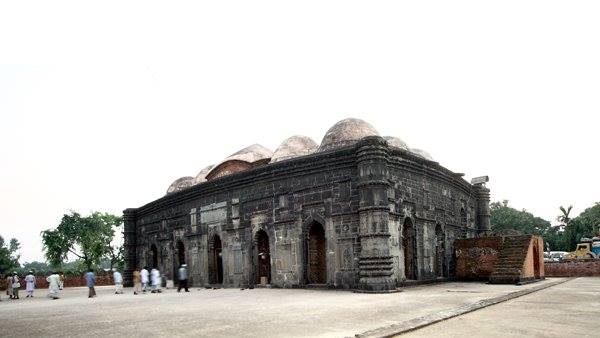
Five daily prayers (salat), the Friday khutbah, and the great congregational events of Eid al-Fitr and Eid al-Adha — the calendar's principal hinges — were marked here. Funeral prayers (janazah) for prominent local figures would have been performed in the courtyard. পাঁচ ওয়াক্ত নামাজ, শুক্রবারের খুতবা এবং ঈদুল ফিতর ও ঈদুল আজহার মহাসমাবেশ — পঞ্জিকার মূল ক্ষণগুলি — এখানেই উদযাপিত। স্থানীয় প্রবীণদের জানাজার নামাজ অনুষ্ঠিত হতো প্রাঙ্গণে।
Public proclamations were read after Friday prayer. Disputes were sometimes mediated in the mosque courtyard. Tax announcements and royal decrees from the Sultan's chancery in Gaur were communicated here. শুক্রবারের নামাজের পরে রাজকীয় ঘোষণাপত্র পঠিত হতো। মাঝে মাঝে মসজিদ-প্রাঙ্গণে বিবাদ মীমাংসা হতো। সুলতানের গৌড়-চ্যান্সারি থেকে কর-বিজ্ঞপ্তি ও রাজ-আদেশ এখানেই প্রচারিত।
Under the curving cornice, children learnt the Arabic alphabet and recitation of the Qur'an. Older students engaged with hadith, fiqh, and mathematics. The mosque was the village university. বক্ররেখা কার্নিসের নিচে শিশুরা শিখত আরবি বর্ণ ও কুরআনের তেলাওয়াত। বয়স্ক ছাত্ররা চর্চা করত হাদিস, ফিকহ ও গণিত। মসজিদই ছিল গ্রামের বিশ্ববিদ্যালয়।
The annual zakat — a religious obligation of 2.5% on accumulated wealth — was collected and redistributed at the mosque. Travellers received food and shelter. Sufi devotees came on annual pilgrimages. বার্ষিক যাকাত — সঞ্চিত সম্পদের ২.৫% — মসজিদে সংগৃহীত ও পুনর্বণ্টিত হতো। পথিকেরা পেতেন খাদ্য ও আশ্রয়। সুফি ভক্তেরা বার্ষিক যাত্রায় আসতেন।
Marriage contracts were signed in the mosque. Naming ceremonies for newborns were held here. Visitors from afar found in the mosque a familiar geography of greeting. বিবাহের চুক্তি স্বাক্ষরিত হতো মসজিদে। নবজাতকের নামকরণ অনুষ্ঠান এখানেই। দূর থেকে আগত পরিদর্শকেরা মসজিদে খুঁজে পেতেন এক পরিচিত আনুষ্ঠানিকতা।
The gilded domes were a public message: visible from the river, they declared that this stretch of Bengal was Husain Shahi territory. Architecture was administration in another medium. স্বর্ণমণ্ডিত গম্বুজগুলি ছিল এক প্রকাশ্য বার্তা: নদী থেকে দৃশ্যমান, এরা ঘোষণা করত — বঙ্গের এই অংশ হুসেন শাহী রাজত্ব। স্থাপত্য তখন অন্য মাধ্যমে প্রশাসন।
Islam reached Bengal in the early 13th century, brought first by the conquest of Bakhtiyar Khalji in 1204, and afterwards by a slow demographic and cultural transformation that proceeded over four centuries. Unlike the rapid Arab conversions in Egypt or Iran, Bengal's Islamisation was pastoral, riverine and densely mediated by Sufi orders. ইসলাম বঙ্গে পৌঁছায় ১৩শ শতাব্দীর গোড়ায় — প্রথমে ১২০৪ সালে বখতিয়ার খিলজির বিজয়ের মাধ্যমে, পরে চার শতাব্দীব্যাপী এক ধীর জনসংখ্যা ও সাংস্কৃতিক রূপান্তরে। মিশর বা ইরানে যেমন দ্রুত আরব ধর্মান্তরণ, বঙ্গের ইসলামিকরণ ছিল গ্রামীণ, নদীকেন্দ্রিক এবং সুফি তরিকার গভীর মধ্যস্থতায়।
Pirs (Sufi saints) and migrant builders together cleared forest, sank tanks for fresh water, and founded mosques along the new rice frontiers of the deltaic east. By 1500 — the moment of Choto Sona Mosque — eastern Bengal was already largely Muslim, while western Bengal remained largely Hindu. The architectural form of the village mosque set the demographic frontier in stone. পীর (সুফি সাধক) ও পরিযায়ী নির্মাতারা একসাথে অরণ্য পরিষ্কার করেছেন, সুপেয় জলের জন্য পুকুর খনন করেছেন এবং বদ্বীপ-পূর্বের নতুন ধান-প্রান্তর বরাবর মসজিদ প্রতিষ্ঠা করেছেন। ১৫০০ সালের মধ্যে — ছোট সোনা মসজিদের কাল — পূর্ব বঙ্গ ছিল প্রায় পুরো মুসলিম, পশ্চিম বঙ্গ ছিল প্রায় পুরো হিন্দু। গ্রামের মসজিদের স্থাপত্য-রূপ সেই জনসংখ্যিক সীমান্তকেই পাথরে স্থাপন করেছিল।
Choto Sona Mosque belongs to a moment when this transition was confident. The Husain Shahi state encouraged both Bengali poetry and Arabic Quranic learning, supported Sufi shrines and Vaishnava singers in the same year — and built mosques like this one as instruments of integration, not imposition. ছোট সোনা মসজিদ এক এমন মুহূর্তের নিদর্শন, যখন এই রূপান্তর ছিল আত্মপ্রত্যয়ী। হুসেন শাহী রাষ্ট্র একইসঙ্গে বাংলা কাব্য ও আরবি কুরআনিক শিক্ষাকে উৎসাহিত করত, সুফি দরগাহ ও বৈষ্ণব কীর্তনিয়াদের একই বৎসরে সমর্থন করত — এবং এর মতো মসজিদসমূহকে নির্মাণ করত একীকরণের যন্ত্র হিসেবে, আরোপণের নয়।
"The mosque was a public verb, not a noun. To call it merely a 'place of worship' is to miss the way it convened the day, the week, the year, the life — every Friday a fresh covenant between Bengal and its God." "মসজিদ ছিল এক প্রকাশ্য ক্রিয়াপদ, বিশেষ্য নয়। একে কেবল 'উপাসনাস্থল' বলা হবে এর সমবেত-শক্তির অপলাপ — যে দিন-সপ্তাহ-বৎসর-জীবনকে এ একসূত্রে গাঁথত — প্রতিটি শুক্রবার ছিল বঙ্গ ও তার আল্লাহর মধ্যে এক নতুন অঙ্গীকার।"
— A field reflection on Sultanate civic life — সুলতানি নাগরিক জীবন বিষয়ে এক ক্ষেত্র-ভাবনাUnlike the great Adina Mosque of Pandua — long abandoned and now an archaeological field — Choto Sona Mosque remains a working religious site. Local Muslims gather here for daily prayers; Friday congregations swell to several hundred. The mosque has been continuously prayed in for over 530 years. পাণ্ডুয়ার মহান আদিনা মসজিদের বিপরীতে — যা বহুকাল পরিত্যক্ত ও এখন প্রত্নতাত্ত্বিক ক্ষেত্র — ছোট সোনা মসজিদ একটি সক্রিয় ধর্মীয়স্থল রয়ে গেছে। স্থানীয় মুসলিমেরা এখানে নিয়মিত নামাজ পড়েন; শুক্রবারের সমাবেশ কয়েকশ ভক্তে পরিপূর্ণ। ৫৩০ বছরেরও বেশি সময় ধরে এই মসজিদে অবিচ্ছিন্নভাবে নামাজ চলে আসছে।
This presents a delicate conservation problem: the mosque is simultaneously a national heritage monument and an active community space. Modern interventions — electrification, fans, sound systems, prayer carpets — must coexist with the carved stone of 1493. The challenge of caring for a living monument is part of its ongoing meaning. এটি এক সূক্ষ্ম সংরক্ষণ-সমস্যা: মসজিদটি একইসঙ্গে জাতীয় ঐতিহ্য-স্মারক ও সক্রিয় সম্প্রদায়-স্থান। আধুনিক হস্তক্ষেপ — বৈদ্যুতিকরণ, পাখা, শব্দ-যন্ত্র, জায়নামাজ — অবশ্যই ১৪৯৩-এর খোদিত পাথরের সঙ্গে সহাবস্থান করতে হবে। জীবন্ত স্মারক রক্ষণাবেক্ষণের চ্যালেঞ্জই তার চলমান অর্থের অংশ।
of continuous Friday prayer. অবিচ্ছিন্ন শুক্রবারের নামাজ।
From 1493 to today — through Mughal annexation, river-shift, abandonment, earthquake, restoration, and the founding of two modern nations. ১৪৯৩ থেকে আজ — মুঘল অধিগ্রহণ, নদী-পরিবর্তন, পরিত্যাগ, ভূমিকম্প, পুনঃনির্মাণ ও দুটি আধুনিক জাতির প্রতিষ্ঠা পেরিয়ে।