Homeপ্রচ্ছদ · Conservationসংরক্ষণ
Chapter VII — Conservation, Damage & Restoration সপ্তম অধ্যায় — সংরক্ষণ, ক্ষতি ও পুনঃনির্মাণ

Earthquake,
jungle, and the
repair of memory.
ভূমিকম্প, অরণ্য
ও স্মৃতির
মেরামত।

A monument is an agreement against entropy. The Choto Sona Mosque has survived four centuries of weather, two centuries of neglect and one of the largest earthquakes in South Asian history — and is here, still, because of that agreement. এক স্মারক হলো এন্ট্রপির বিরুদ্ধে এক সম্মতি। ছোট সোনা মসজিদ চার শতাব্দীর আবহাওয়া, দু-শতাব্দীর অবহেলা এবং দক্ষিণ এশিয়ার ইতিহাসে সর্ববৃহৎ ভূমিকম্পগুলির অন্যতমকে অতিক্রম করেছে — এবং সেই সম্মতির কারণেই, আজও তা এখানে।

An Inheritance Under Strain চাপের মুখে এক উত্তরাধিকার

The slow violence of the centuries. শতাব্দীর মন্থর হিংসা।

From around 1576, when the Mughals subdued Bengal and shifted its administrative centre away from Gaur, the great Sultanate capital began to fall silent. The Ganges shifted course; the Mahananda silted; trade routes redrew themselves around the new capitals of Tanda and later Murshidabad. Gaur was abandoned not violently but gradually, building by building, season by season — until the jungle reclaimed everything. প্রায় ১৫৭৬ সাল থেকে — যখন মুঘলরা বঙ্গ অধিকার করে এবং প্রশাসনিক কেন্দ্র গৌড় থেকে সরিয়ে নেয় — মহান সুলতানি রাজধানী নিস্তব্ধ হতে শুরু করে। গঙ্গা পথ বদলায়, মহানন্দায় পলি জমে, বাণিজ্যপথ পুনর্বিন্যস্ত হয় তান্ডা ও পরবর্তীতে মুর্শিদাবাদকে কেন্দ্র করে। গৌড় হিংস্রভাবে নয়, ক্রমে — ভবন ধরে ধরে, ঋতু ধরে ধরে — পরিত্যক্ত হয়, যতক্ষণ না অরণ্য সবকিছু পুনর্দখল করে নেয়।

By the time British antiquarians arrived in the late 18th century, mosques and palaces lay half-buried in vegetation. The gilding of Choto Sona Mosque had been stripped — for melt, for trade, for theft — long before any photograph could record it. The first detailed survey was made by Henry Creighton, whose 1808 engravings remain a critical baseline document. ১৮শ শতাব্দীর শেষে যখন ব্রিটিশ পুরাতাত্ত্বিকেরা এসে পৌঁছান, মসজিদ ও প্রাসাদ অর্ধ-আবৃত উদ্ভিদে। ছোট সোনা মসজিদের স্বর্ণপাত — গলানোর জন্য, বাণিজ্যের জন্য, চুরির জন্য — কোনো আলোকচিত্র নথিবদ্ধ করার বহু আগেই অপসৃত। প্রথম বিস্তৃত জরিপ করেছিলেন হেনরি ক্রেইটন, যাঁর ১৮০৮-এর এনগ্রেভিং আজও এক গুরুত্বপূর্ণ ভিত্তি-নথি।
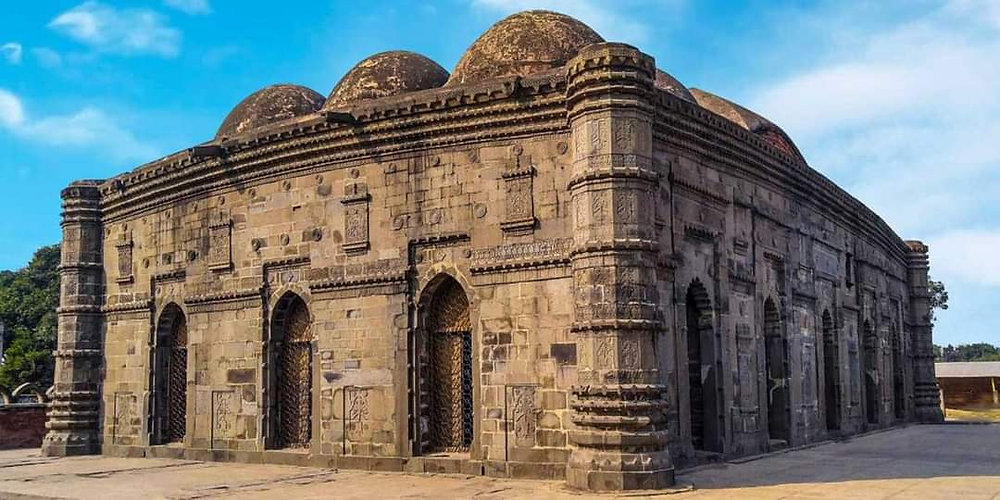
Conservation snapshot সংরক্ষণ-চিত্র Conservation view of Choto Sona Mosque — present-day fabric
12 June 1897 ১২ জুন ১৮৯৭

The Great Indian Earthquake — and a single afternoon of structural ruin. মহাভারতীয় ভূমিকম্প — এবং একটি দুপুরে কাঠামোগত ধ্বংস।

At 5:11 pm on 12 June 1897, a magnitude-8.1 earthquake — among the largest ever recorded in South Asia — struck the Shillong Plateau. Its shockwaves radiated for hundreds of kilometres. In Gaur, four centuries after the mosque had been built, the rumble brought down several of its domes and cracked walls along the eastern arches. ১২ জুন ১৮৯৭ সালে বিকেল ৫:১১-তে শিলং মালভূমিতে ৮.১ মাত্রার ভূমিকম্প — দক্ষিণ এশিয়ার নথিবদ্ধ বৃহত্তম ভূমিকম্পগুলির অন্যতম — আঘাত হানে। এর তরঙ্গ শতাধিক কিলোমিটার বিস্তৃত হয়। গৌড়ে — মসজিদ নির্মাণের চার শতাব্দী পরে — কম্পন কয়েকটি গম্বুজ ভেঙে ফেলে এবং পূর্ব খিলানের পাশে প্রাচীর ফাটিয়ে দেয়।

Contemporary survey reports describe the central row of chau-chala vaults as the most affected — likely because the central nave had been carrying the heaviest superstructural loads. Several northern and southern wall sections lost portions of their cladding stone. The mihrabs, sheltered by the qibla wall's mass, survived comparatively well. সমসাময়িক জরিপ-প্রতিবেদনগুলিতে কেন্দ্রীয় চৌচালা খিলান-সারিকে সর্বাধিক ক্ষতিগ্রস্ত বলে বর্ণনা করা হয় — সম্ভবত কারণ কেন্দ্রীয় নেভই বহন করছিল সর্বাপেক্ষা ভারী ভার। উত্তর ও দক্ষিণের কয়েকটি প্রাচীর-অংশ আবরণ-পাথর হারায়। মিহরাবগুলি কিবলা-প্রাচীরের ভরে আশ্রিত — তুলনামূলকভাবে ভালো অবস্থায় টিকে যায়।

The 1897 Shock ১৮৯৭-এর ধাক্কা
Dateতারিখ
12 June 1897১২ জুন ১৮৯৭
Magnitudeমাত্রা
8.1 Mw
Epicentreকেন্দ্রবিন্দু
Shillong Plateau, Assamশিলং মালভূমি, আসাম
Damage at siteস্থানে ক্ষতি
Multiple domes collapsed; walls cracked.একাধিক গম্বুজ ধস; প্রাচীর ফাটল।
Mihrabsমিহরাব
Survived structurally.কাঠামোগতভাবে টিকে যায়।
Restoration · 1900–1907 পুনঃনির্মাণ · ১৯০০–১৯০৭

A patient seven years of careful repair. যত্নসহ মেরামতের সাত-বছর ধৈর্য।

1898

Damage assessmentক্ষতি-নিরূপণ

The Archaeological Survey of India (ASI), under John Marshall's predecessors, surveys the Gaur monuments. Choto Sona Mosque is among the highest priorities for repair.আর্কিওলজিকাল সার্ভে অফ ইন্ডিয়া (এএসআই), জন মার্শালের পূর্বসূরিদের অধীনে, গৌড়ের স্মারকগুলি জরিপ করে। ছোট সোনা মসজিদ মেরামতের জন্য সর্বোচ্চ অগ্রাধিকারের অন্তর্ভুক্ত।

1900

Stabilisation beginsস্থিতিশীলকরণ শুরু

Structural shoring; clearance of vegetation; cataloguing of fallen stones for re-use. The principle adopted is conservative — re-use original material wherever possible, minimal new fabrication.কাঠামো সমর্থন; উদ্ভিদ-সরাসরি; পতিত পাথরের ক্যাটালগিং পুনর্ব্যবহারের জন্য। গৃহীত নীতি সংরক্ষণমূলক — যেখানে সম্ভব মূল উপকরণ পুনর্ব্যবহার, ন্যূনতম নতুন নির্মাণ।

1902–1904

Dome reconstructionগম্বুজ পুনর্নির্মাণ

Several collapsed domes are rebuilt using the surviving rim bricks plus newly fired bricks matched to the original profile. The chau-chala vaults of the central nave are particular challenges, requiring carpentry templates.পতিত গম্বুজগুলি — টিকে থাকা রিম-ইট ও মূলের অনুরূপ নতুন পোড়ানো ইট দিয়ে — পুনর্নির্মিত। কেন্দ্রীয় নেভের চৌচালা খিলান বিশেষ চ্যালেঞ্জ, কাঠের ছাঁচ-টেমপ্লেট প্রয়োজন।

1905

Stone re-settingপাথর পুনঃস্থাপন

Fallen basalt cladding pieces are matched and re-set to their original positions. Where original stones cannot be found, lime-rendered brick is used as a deliberately legible repair — a 19th-century best practice.পতিত বেসাল্ট আবরণ-খণ্ড মিলিয়ে মূল স্থানে পুনঃস্থাপিত। যেখানে মূল পাথর পাওয়া যায়নি, সেখানে চুন-পলেস্তরা ও ইট ইচ্ছাকৃত পাঠযোগ্য মেরামত হিসেবে — ১৯শ শতাব্দীর একটি সর্বোত্তম নীতি।

1907

Restoration completedপুনঃনির্মাণ সম্পন্ন

The mosque reopens for active worship. The ASI takes formal custodianship; the building is gazetted as a protected monument under the Ancient Monuments Preservation Act of 1904.মসজিদ সক্রিয় উপাসনার জন্য পুনরায় উন্মুক্ত। এএসআই আনুষ্ঠানিক তত্ত্বাবধানের দায়িত্ব নেয়; ১৯০৪-এর প্রাচীন স্মারক সংরক্ষণ আইনের অধীনে ভবনটি সংরক্ষিত স্মারক হিসেবে গেজেটেড।

1971

Bangladesh assumes custodyবাংলাদেশ কর্তৃক তত্ত্বাবধান

After Bangladesh's independence, the Department of Archaeology of the Government of Bangladesh inherits responsibility. Successive ministerial budgets have funded periodic re-pointing and roof maintenance.বাংলাদেশের স্বাধীনতার পর, বাংলাদেশ সরকারের প্রত্নতত্ত্ব অধিদপ্তর দায়িত্ব গ্রহণ করে। পরপর মন্ত্রণালয়-বাজেটে পর্যায়ক্রমিক রি-পয়েন্টিং ও ছাদ-রক্ষণাবেক্ষণে অর্থ বরাদ্দ।

21st c.

Continuous careঅবিরাম যত্ন

Periodic salt-damp surveys; vegetation removal; tactile surveys of carved stone. The mosque is on UNESCO's tentative list of World Heritage candidate sites as part of the Mosque City of Bagerhat / Sultanate-era Bengal corpus.পর্যায়ক্রমিক লবণ-আর্দ্রতা জরিপ; উদ্ভিদ-সরানো; খোদিত পাথরের স্পর্শ-জরিপ। মসজিদটি ইউনেস্কোর বিশ্ব ঐতিহ্য প্রার্থী-স্থানের অস্থায়ী তালিকায় — বাগেরহাট মসজিদ-নগরী / সুলতানি বঙ্গ কর্পাসের অংশ হিসেবে।

Archaeological Insights প্রত্নতাত্ত্বিক অন্তর্দৃষ্টি

A platform that may have held a tomb. এক চত্বর, যা সম্ভবত ধারণ করেছিল এক সমাধি।

Early antiquarian Sir Alexander Cunningham, founder of the Archaeological Survey of India, visited Gaur in the 1870s and reported a raised platform inside the mosque's northern aisle. He speculated this was the foundation of a tomb — perhaps the tomb of the patron, Wali Muhammad bin Ali himself, who would have been buried beneath the building he had endowed. ভারতীয় প্রত্নতাত্ত্বিক জরিপের প্রতিষ্ঠাতা স্যার আলেকজান্ডার কানিংহাম ১৮৭০-এর দশকে গৌড় পরিদর্শন করেন এবং মসজিদের উত্তর আইসেলে এক উঁচু চত্বর-এর কথা প্রতিবেদন করেন। তিনি অনুমান করেছিলেন, এটি একটি সমাধির ভিত্তি — সম্ভবত পৃষ্ঠপোষক ওয়ালি মুহাম্মদ বিন আলীর নিজের সমাধি, যিনি তাঁরই দান-ভবনের নিচে সমাহিত হতে পারেন।

Subsequent excavations have not confirmed the hypothesis. No grave shaft, no human remains, no inscription identifying a deceased — all that survives is the platform itself, suggestive but unanswered. Some scholars now believe it was a maqsura, a screened enclosure for the patron or sultan during prayer; others maintain Cunningham's tomb hypothesis. পরবর্তী খনন এই অনুমানকে নিশ্চিত করেনি। কোনো কবর-শ্যাফট, মানব-অবশেষ, বা মৃত-চিহ্নিত শিলালিপি — কোনোটিই মেলেনি; কেবল চত্বরটি — ইঙ্গিতময় কিন্তু অনিশ্চিত। কিছু পণ্ডিত এখন মনে করেন, এটি ছিল একটি মাকসুরা — পৃষ্ঠপোষক বা সুলতানের জন্য নামাজকালীন পর্দা-চত্বর; অন্যরা কানিংহামের সমাধি-অনুমান বহাল রাখেন।

More recent material analysis has identified small fragments of glazed roundel material in the courtyard fill, traces of original lime mortar in the deeper joints, and brick samples whose firing temperature signatures match contemporary kilns at Pandua. Each finding incrementally narrows the building's biography. সাম্প্রতিক উপাদান-বিশ্লেষণে প্রাঙ্গণের ভরাটে গ্লেজ-করা রাউন্ডেল-উপাদানের ছোট খণ্ড, গভীর জোড়ের মূল চুন-পলেস্তরার চিহ্ন, এবং পাণ্ডুয়ার সমসাময়িক ভাটার সঙ্গে অগ্নি-তাপমাত্রায় মিল সম্পন্ন ইট-নমুনা পাওয়া গেছে। প্রতিটি আবিষ্কার ভবনের জীবনচরিত ক্রমে সংকীর্ণ করে।

Open Questions উত্তর না পাওয়া প্রশ্ন
  1. Tomb or maqsura?সমাধি, না কি মাকসুরা? — platform's original function still debated.— চত্বরের মূল কাজ এখনো বিতর্কিত।
  2. Original courtyard?মূল প্রাঙ্গণ? — extent of the original walled enclosure is uncertain.— মূল প্রাচীর-আবদ্ধ অঞ্চলের বিস্তার অনিশ্চিত।
  3. Roundel motifsরাউন্ডেল-ছাঁদ — most original tiles lost; full programme reconstructible only from fragments.— মূল টাইলের অধিকাংশ হারানো; সম্পূর্ণ পরিকল্পনা কেবল খণ্ড থেকে পুনর্নির্মাণযোগ্য।
  4. Original colourমূল রং — how much of the stone was painted, gilded, or left bare?— পাথরের কতটুকু রঞ্জিত, স্বর্ণমণ্ডিত বা অনাবৃত ছিল?
  5. Workshop identityকারখানা-পরিচয় — were carvers attached to the royal workshop or local atelier?— খোদাইশিল্পীরা কি রাজকীয় কারখানার অন্তর্ভুক্ত, না স্থানীয় অ্যাটেলিয়ারের?
Living Threats বর্তমান হুমকি

Five threats the next century must answer. পঁাচ হুমকি — যার উত্তর পরবর্তী শতাব্দীকে দিতে হবে।

01 / Hydrology

Rising salt damp লবণ-আর্দ্রতা

Capillary moisture from the Gangetic water table draws salts into the brick core, where crystallisation cracks the stone facing. গাঙ্গেয় ভূগর্ভজল-স্তর থেকে কেশনালিকা-আর্দ্রতা ইটের কেন্দ্রে লবণ টেনে আনে — যা স্ফটিকীভবনে পাথরের আবরণ ফাটিয়ে দেয়।

02 / Climate

Heavier monsoons প্রবল বর্ষা

Increasingly intense annual rainfall stresses the lime-mortared joints. Each season requires inspection of the dome flashings. ক্রমবর্ধমান বার্ষিক বৃষ্টিপাত চুন-পলেস্তরা জোড়গুলিতে চাপ দেয়। প্রতিটি ঋতুতে গম্বুজ-ফ্ল্যাশিং পরিদর্শন প্রয়োজন।

03 / Visitors

Tactile wear স্পর্শ-ক্ষয়

Carved stone within reach of human hands accumulates polishing, abrasion and the soft greying of skin oils — small but cumulative. মানুষের হাতের নাগালে থাকা খোদিত পাথরে ক্রমে জমে পালিশ, ক্ষয় ও ত্বকের তেলের ফলে ধূসরতা — ছোট তবে ক্রমবর্ধমান।

04 / Modernity

Service insertions পরিষেবা-সংযোজন

Wiring for fans, lights and amplifiers must thread through the historic fabric without bolt-marks or chiselling. পাখা, আলো ও অ্যামপ্লিফায়ারের তার ঐতিহাসিক কাঠামোর মধ্য দিয়ে চালাতে হবে — কোনো বোল্ট-চিহ্ন বা ছেনি ছাড়াই।

"Conservation is not the freezing of a building in time. It is the act of carrying it through time. Each generation of caretakers must add their own quiet stitches without claiming the garment for themselves." "সংরক্ষণ মানে ভবনকে কালের মধ্যে স্থির করা নয়। তা হলো ভবনকে কালের মধ্য দিয়ে বহন করা। যত্নবানের প্রতিটি প্রজন্মকে নিজস্ব নীরব সেলাই যোগ করতে হবে — পোশাকটিকে নিজের না ভাবিয়া।"

— A 21st-century reflection on heritage stewardship — ঐতিহ্য-তত্ত্বাবধান বিষয়ে ২১শ শতাব্দীর প্রতিফলন
Previousপূর্ববর্তী ← Cultural Significance← সাংস্কৃতিক তাৎপর্য